
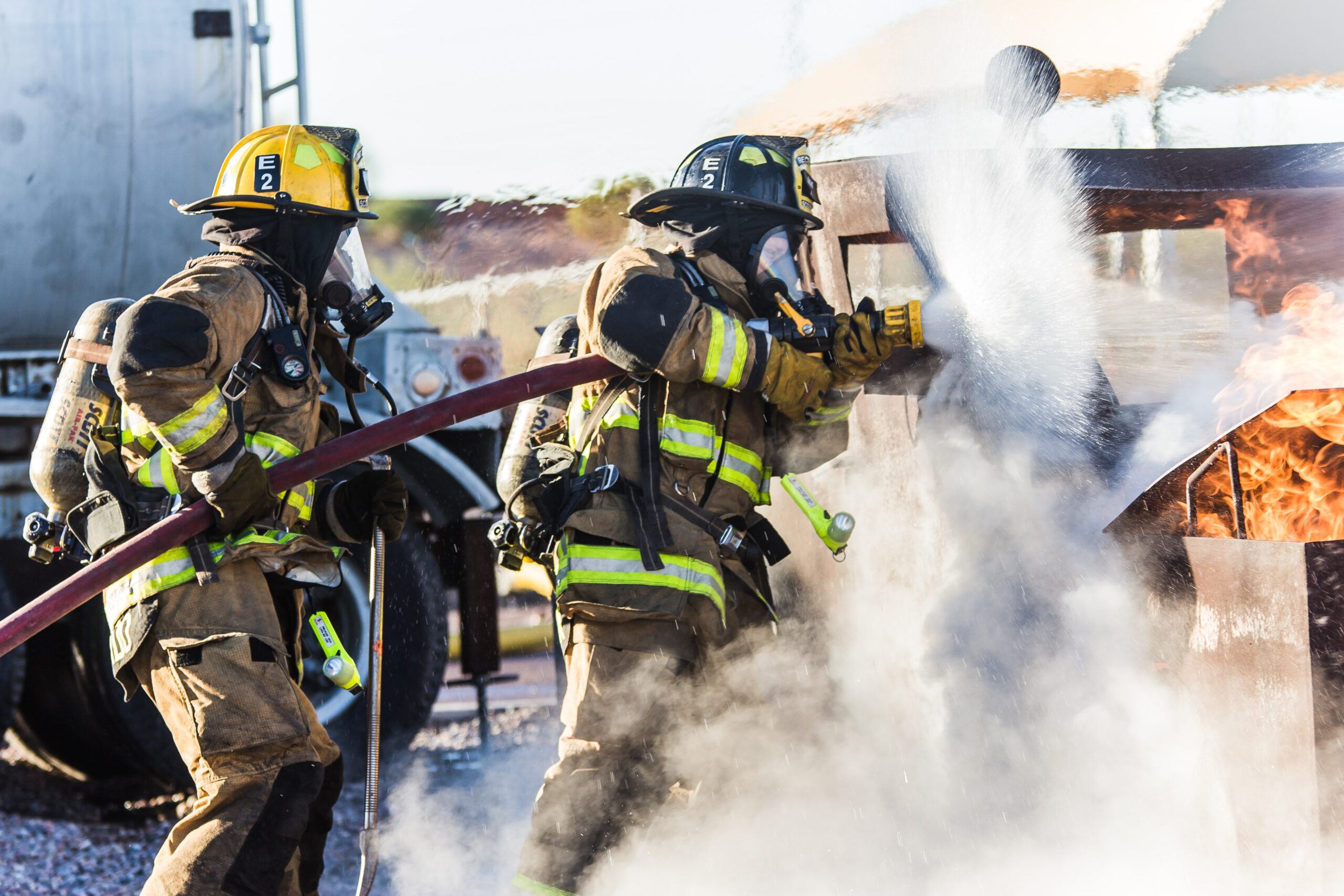
RISK ATLASES
Using cartographic and information systems, we determine Hazard, Vulnerability, and Risk in the face of potential Natural and Anthropogenic Disasters or Emergencies, enabling advance decision-making to prevent losses or reduce impacts, and establishing necessary prevention and mitigation measures to develop specialized technical documents such as the Risk Atlas (RA).
Our atlases are prepared in accordance with DOF 12/21/2016, the General Law of Civil Protection, CENAPRED Minimum Content Guidelines, the Sendai Framework for Disaster Risk Reduction, ISO 31000, as well as the scientific projections of the G20 Climate Risk Atlas.
The Risk Atlases we develop serve as the foundation for determining and implementing Disaster Risk Management (DRM), the Disaster Risk Management Plan (DRMP), the Civil Protection Plan (CPP), and the Urban Development Plan (UDP).
Likewise, they enable the management, administration, and control of the financial resources required to respond to a contingency, supporting the government allocation of such funds in a fiscally and legally compliant manner.
COMPREHENSIVE DEVELOPMENT AND UPDATING OF RISK ATLASES:
Our services include field research and surveys, assessment of existing conditions and infrastructure, social, economic, and environmental research, cartographic and historical analysis, measurement and analysis of natural and anthropogenic factors, determination of hazard, risk, and vulnerability, indicators and traffic-light alert systems, data integration into software and mobile apps, and training of authorities and users.
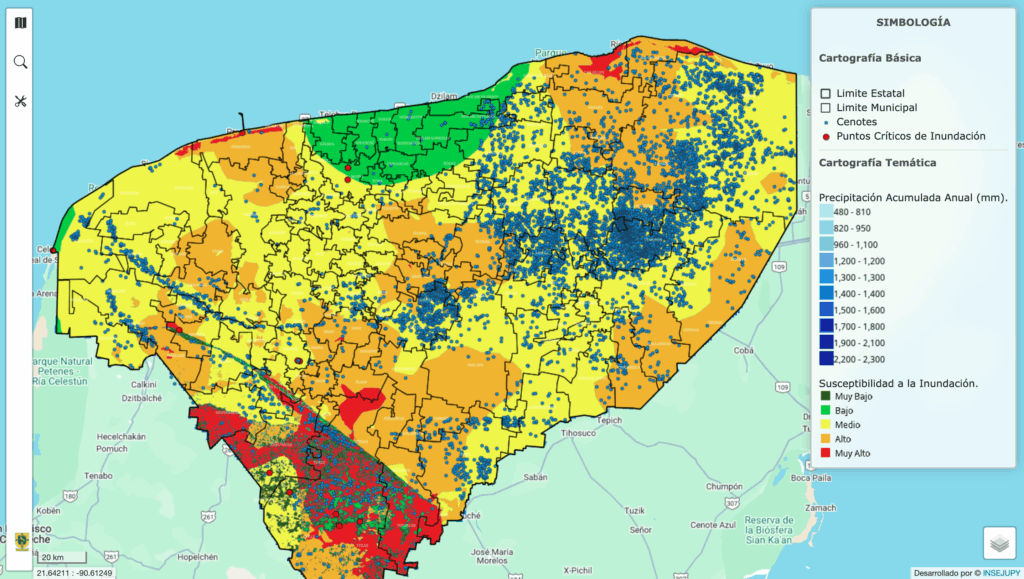
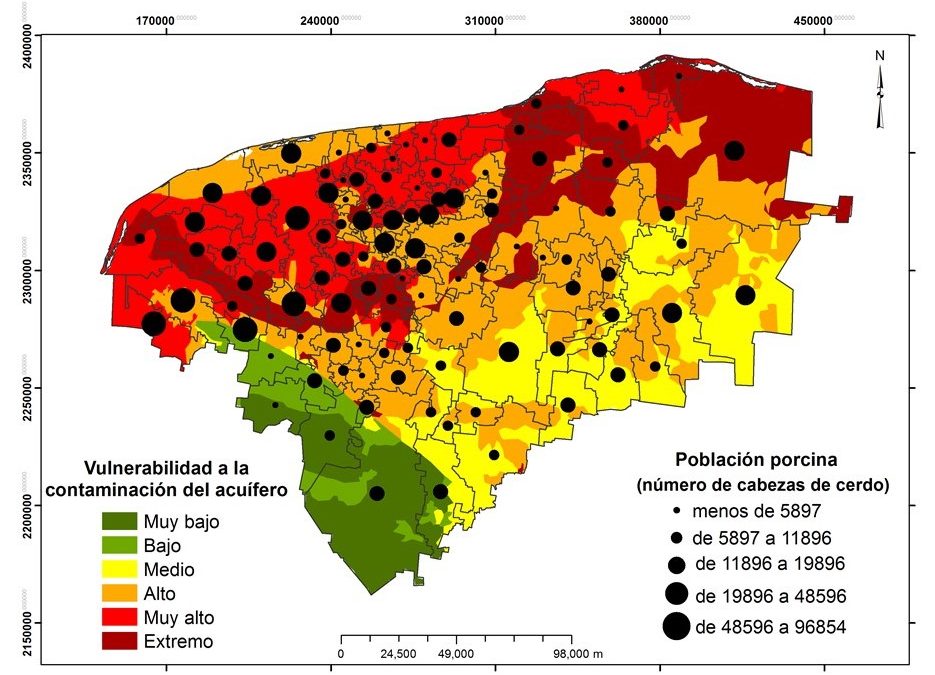
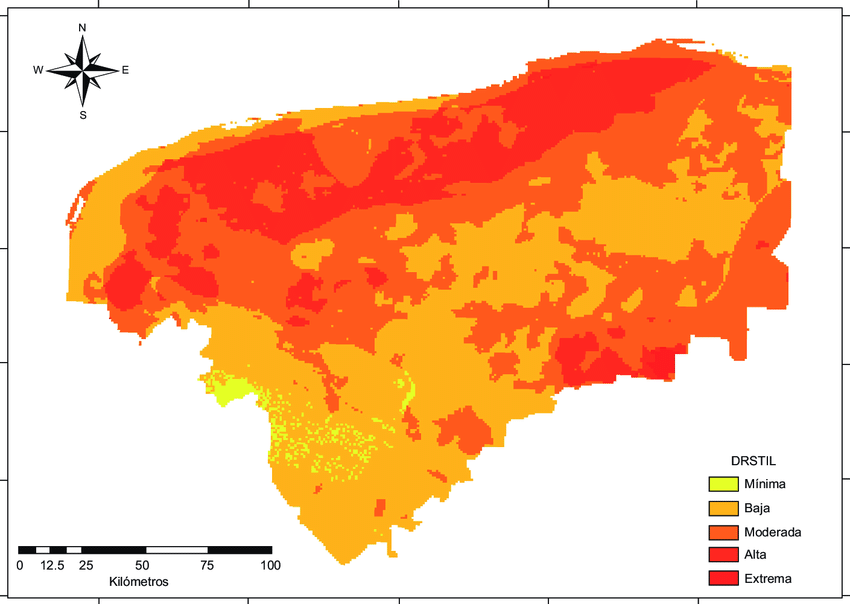
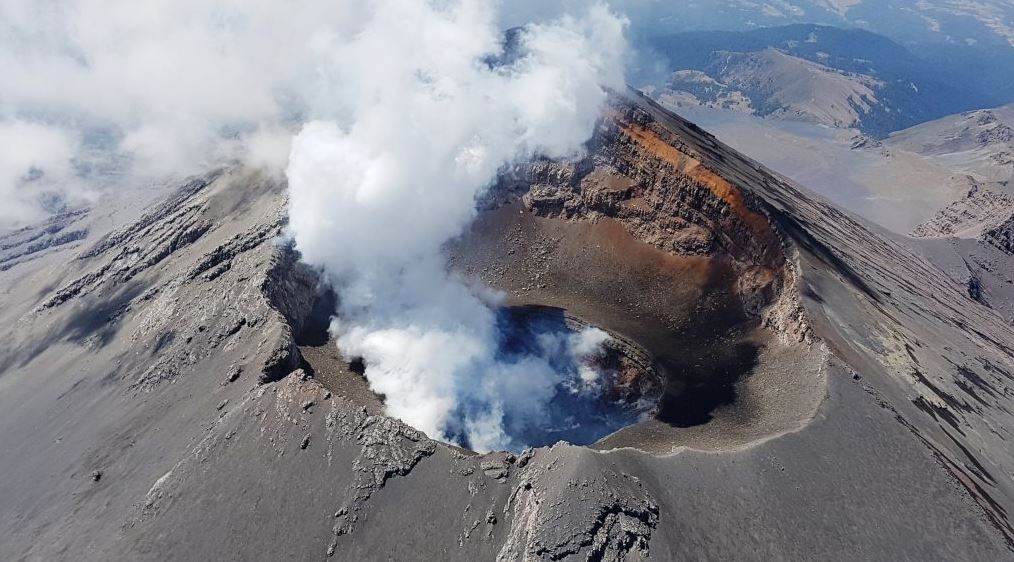
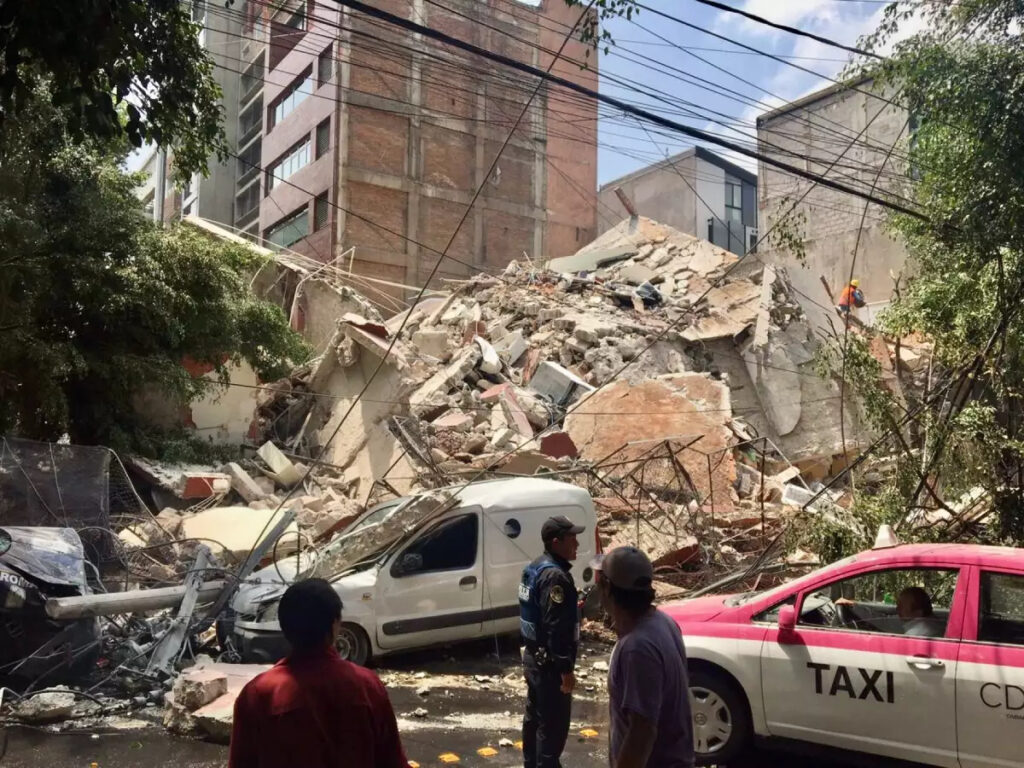
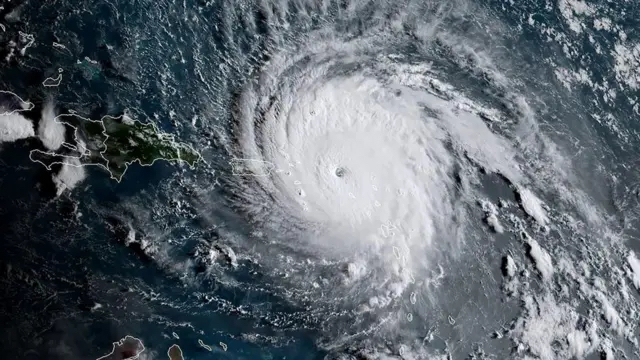
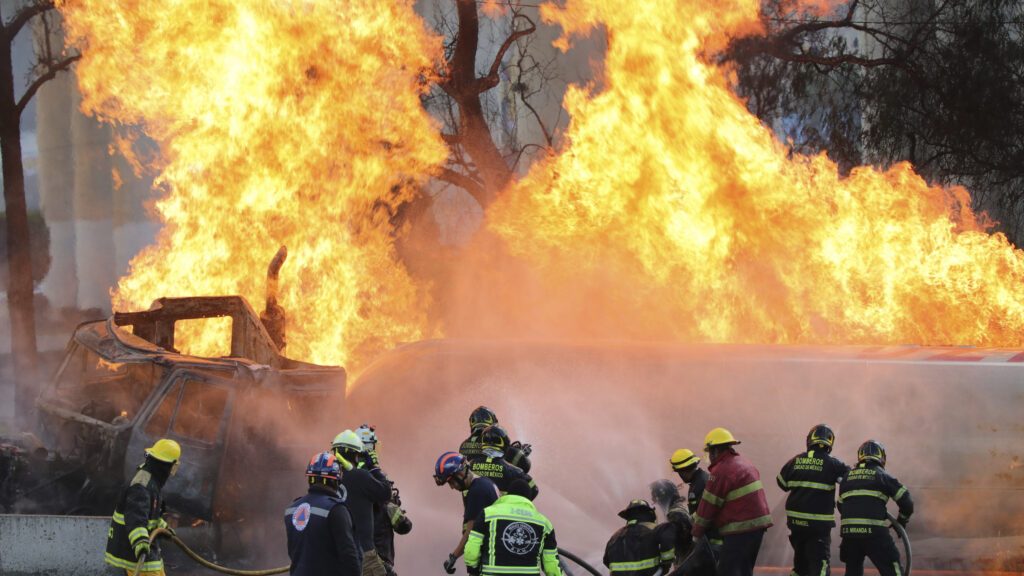

Your best option for developing Risk Atlases for municipalities, industrial zones, military zones, and polygons or areas facing risk or vulnerability.
DRM DISASTER RISK MANAGEMENT, ACTION GUIDELINES AND PROTOCOLS, AND CIVIL PROTECTION PLANS
Together with government agencies or task forces (civil protection, security, environment, fire departments, water and drainage utilities, and police or military personnel), we generate and develop diverse types of data, information, variables, and indicators resulting from research, analysis, characterization, planning, and scheduling that establish Disaster Risk Management (across its preventive, corrective, and reactive stages), accounting for impacts on human lives, populations, infrastructure, supply chains, economic assets, and the environment.
Our Work: Stages and Types of Management
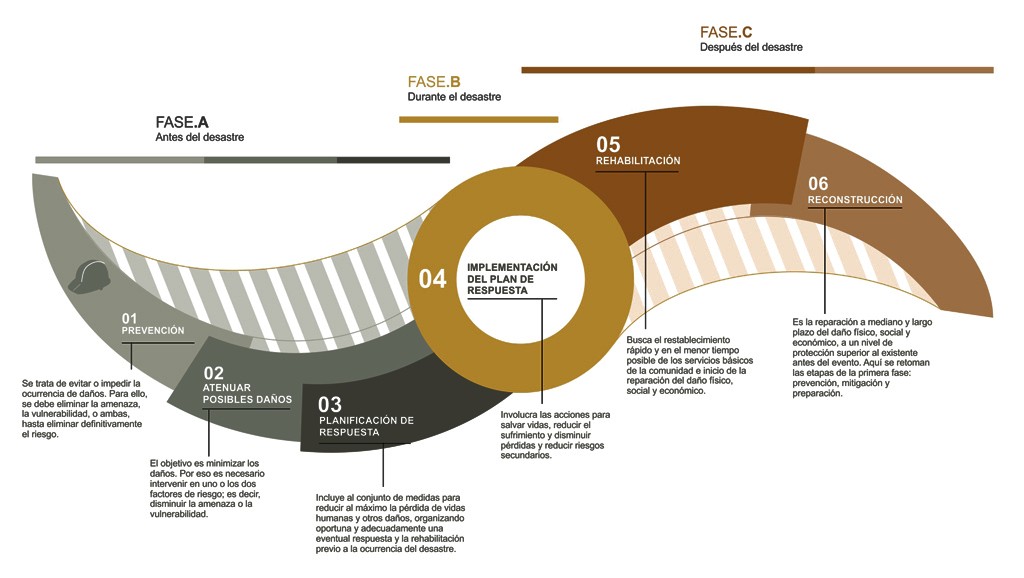
We integrate all required stages and variables according to each case: prospective management (prevents future risk), corrective management (mitigates existing risk), and reactive management (emergency response):
- Risk identification.
- Prevention and Mitigation (reducing potential damage).
- Preparedness (response planning).
- Response (execution of the emergency response plan).
- Rehabilitation (recovery and restoration).
- Reconstruction (upgrading infrastructure and services).
- Impact Evaluation and Lessons-Learned Integration.
Action Protocols and Civil Protection Plans
Consulting, advisory, and evaluation of plans, programs, strategies, and indicators for government institutions, private groups, NGOs, and businesses:
- Programs, Plans, Strategy, and Supervision of Civil Protection, Public Safety, Environmental Safety and Risks, Animal Welfare, and Food and Water Security.
- Training and Formation of Specialized Brigades and Supervision Protocols.
- Training and Protocols for Disaster Risk Management.
- Hazard, Vulnerability, and Risk Indicators.
- Sample analysis protocols and laboratory studies (water, soil, sediments, vapors, food, biological).
- Manuals and Analytical Models for Disaster Risk Management.
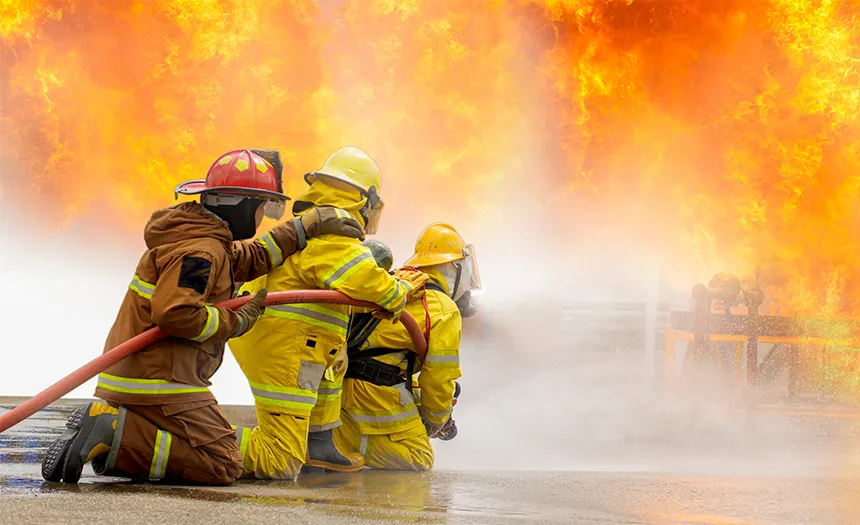
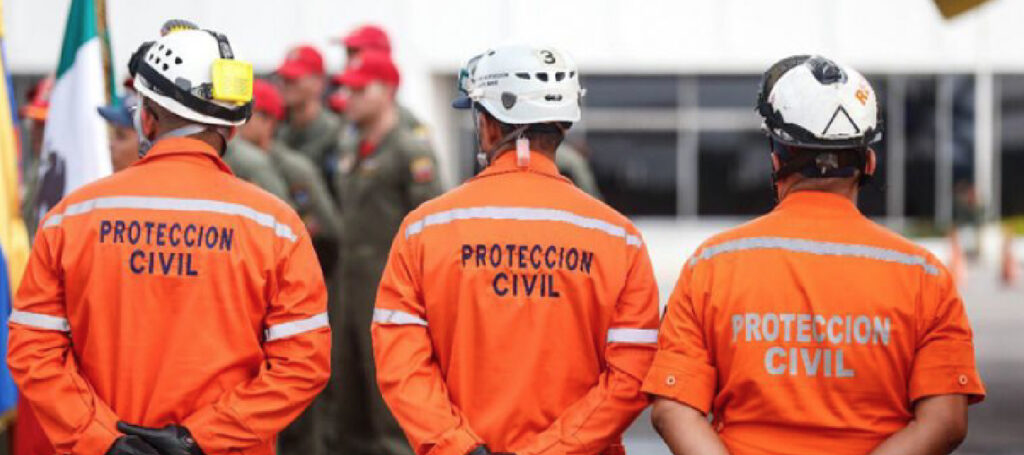
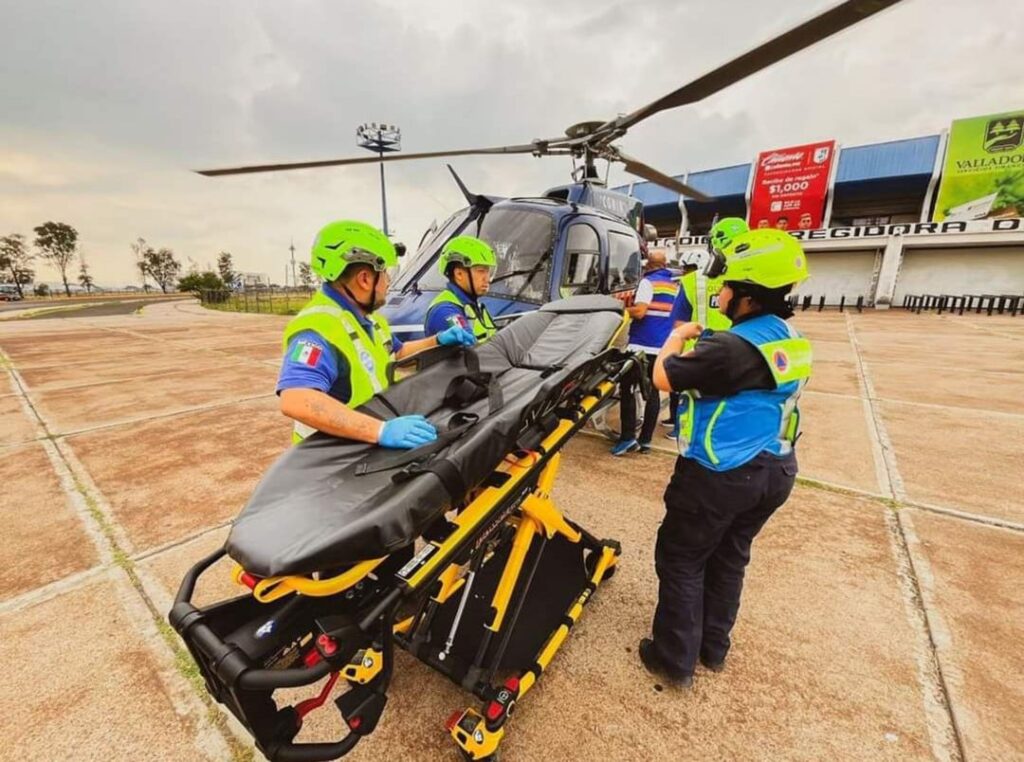

Your best choice for effective disaster risk management, action protocols for Civil Protection personnel, and effective civil protection plans.
INVESTIGATION, ANALYSIS, SAMPLING, AND STUDIES FOR THE IDENTIFICATION OR CHARACTERIZATION OF RISK CASES OR ZONES
We carry out specialized technical investigation, analysis, sampling, and study activities and services (social, structural, chemical, physical, economic, environmental, political, and security) on specific cases involving existing or latent risk, hazard, or vulnerability, whether in urban, semi-urban, rural, forestry, agricultural, or industrial environments, and/or in air, soil, water, vapors, sediments, blood, dust, equipment, infrastructure, or ecosystems that are affected or impacted, to determine their true condition and characteristics. We work on:
- Areas or Environments with Contamination: Environmental, Chemical, Biological, Radioactive, Petrochemical, Heavy Metals, Solid Waste, and/or Hazardous Waste.
- Spills, Leaks, or Storage: of Toxic, Corrosive Materials, Heavy Metals, Hydrocarbons, Methane, Aluminum, Mercury, Lead, Caustic Soda, Oxides, Chemicals, and Biological Agents.
- Illegal Spills or Disposals: posing a Risk or Hazard to Health, the Environment, Ecosystems, Life Cycles, Soil, Air, and/or Water.
- Surges or Alterations: of Bacteria, Viruses, Parasitic Flora, Non-Endemic Fauna, Parasites, Fungi, Algae, Elements, Components, and/or Species affecting the quality and living conditions of ecosystems and regions.
- Mortality or Population Decline Events: of Animal, Plant, or Human nature, in Ecosystems, Rural Environments, Farms, and Urban Areas.
- Health Impact or Alteration Events: or deterioration of sanitary conditions in specific areas or localities, animal species, population groups, and/or communities.
- Zones, Sites, Locations, Routes, and Polygons facing Risk, Hazard, and Vulnerability: stemming from Water, Environmental, Chemical, Biological, Radioactive, Electrical, Human, Technological, Genetic, Petrochemical, Heavy Metal, and Waste impacts.
- Physical, Chemical, and Biological Analyses: of Soil, Air, Water, Vapors, and Sediments by an Accredited Laboratory.
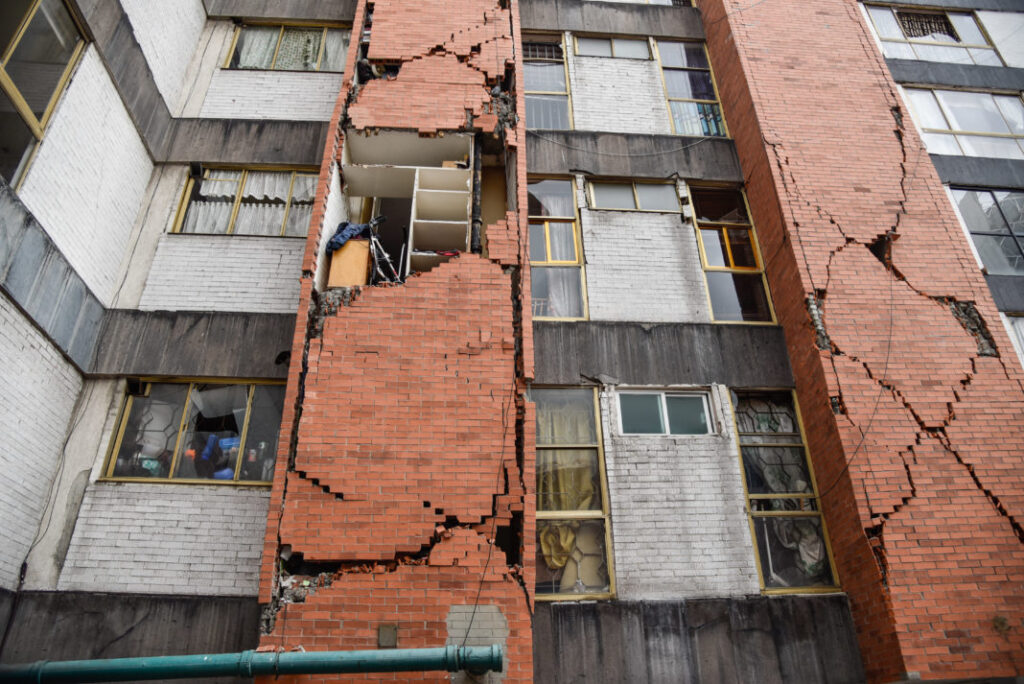
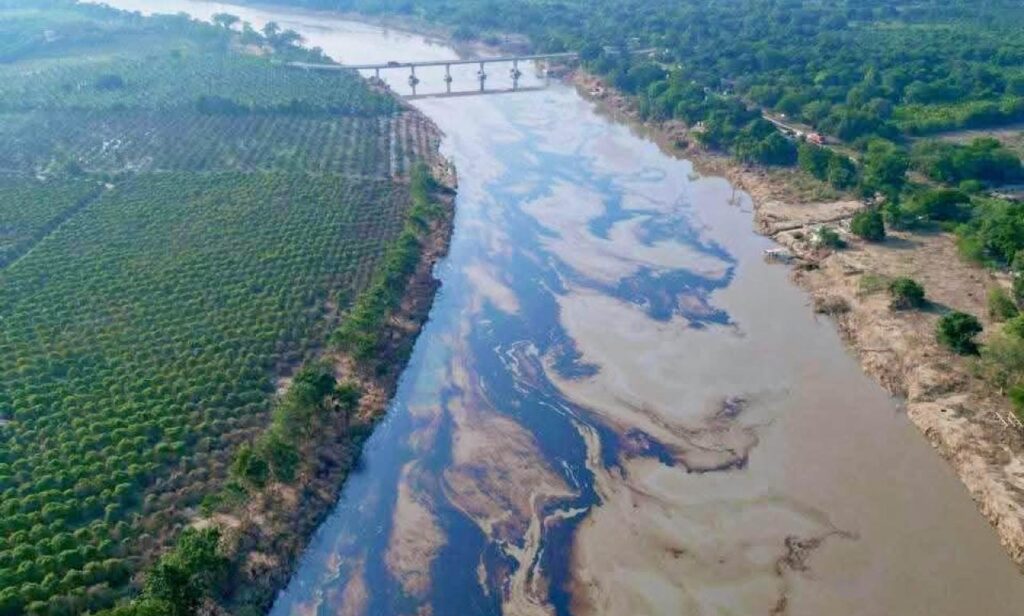
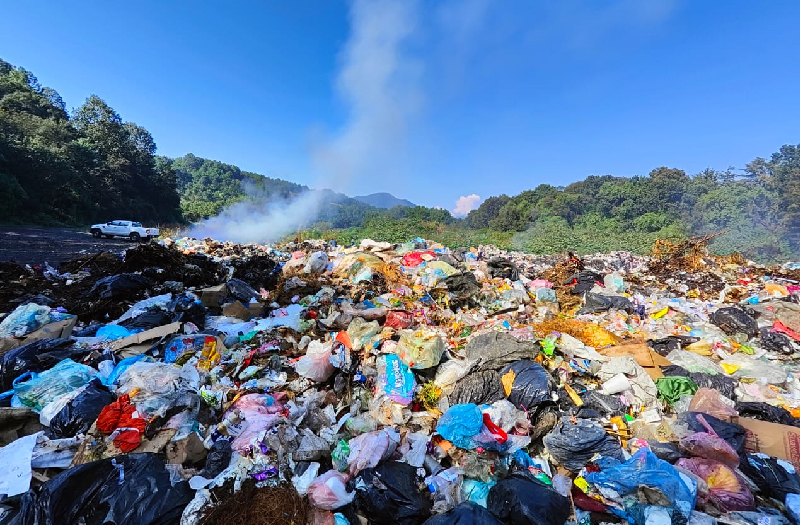
When it comes to investigating causes, variables, and phenomena that create risk, hazard, and vulnerability in a specific zone or polygon, we are your best choice.
CONTACT US
100% Satisfaction Guaranteed
We want to meet you, understand your requirements, and jointly build sustainable, comprehensive solutions in risk management and civil protection.
CORPORATE CONTACT